


Which Doctor Does Arthroscopy Surgery?
Are you experiencing knee pain that is resistant to treatment, persistent shoulder pain, ligament injury, meniscus tear, or a sports injury? Then perhaps you have heard the term arthroscopy surgery as a recommendation from your doctor. A common question that patients have is:
“Which doctor does arthroscopy?”
The answer is simple: A doctor specializing in orthopedics and joint surgeries performs this type of surgery.
One of the pioneers in advanced procedures and minimally invasive joint surgeries in India is Dr. Shekhar Srivastav, who is a renowned arthroscopy surgeon known for excellent clinical results from his surgeries.
This paper answers your questions about the arthroscopy experts and their experience levels, why it is important to choose the right doctor for your surgery, and so much more.
What Is Arthroscopy Surgery?
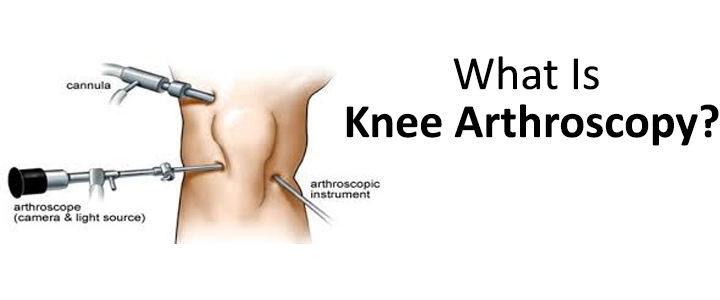
Arthroscopy is one of the least invasive techniques in a surgical procedure for orthopedics used for diagnosing and correcting any kind of issue inside a joint.
The operation can be completed without the need of a big opening as surgeons do it via key-hole surgery. They use a tiny optical device which they refer to as an arthroscope and introduce it through a tiny cut on the skin. The device is used to visualize the interior parts of your joints via high-definition video projection of the scene to be handled by the surgeon and thus allowing minimally invasive repair using the surgeon’s hands with the special tools they handle.
Treatments via arthroscopies are very frequent on:
Apart from the fact that the incisions are small one can look forward to:
- Insignificant size of scars
Doctor Who Performs Arthroscopy Surgery?
A Doctor who performs arthroscopy surgery has to be an Orthopedic Surgeon with post-graduate training in Arthroscopy.
Apart the basic curriculum, the orthopedic surgeon undergo a specialization training in:
- How to save the joints
- Sport Injury Management
- Ligament Reconstruction
- Cartilage Repair
- Meniscom Surgery
- Surgery for Stabilizing Shoulder
- Repair of the Rotator Cuff
- Reconstruction of the ACL and PCL ligaments
Besides knowing to diagnose a joint disease and repair it, a master of arthroscopy also has the ability to do it all with the least invasive technique possible.
Meet Dr. Shekhar Srivastav, Leader in Delhi’s Arthroscopy Surgery Field
Dr. Shekhar Srivastav a top Delhi-based surgeon with decades of experience in orthopedics and arthroscopy is highly sought after for his expertise in treating sports injuries and advanced joint problems.
Highlights of his areas of expertise are:
- Knee Arthroscopy
- Shoulder Arthroscopy
- ACL/ PCL Reconstruction
- Meniscus Repair
- Rotator Cuff Treatment
- Shoulder Surgery after Dislocation
- Sports Medicine
Patient from all over India rely on Dr. Shekhar Srivastav because of the reasons below:
- Outstanding ability in performing the surgery
- Patient-tailored therapy plan
- Innovative arthroscopic methods
- Exceptionally high patient satisfaction rating
- Commitment to quick recovery and early mobilisation
Orthopedic Problems Solved Through Arthroscopy
Arthroscopy is an extremely good tool to both find out the cause and to resolve many kinds of problems in the orthopaedic area.
Knee Conditions
Common knee pathologies which can lead to disability or pain in different ways are:
- Tearing of ACL
- Meniscus Tear
- Loose Bones
- Cartilage Problems
- Knee Instability
- Problems with Patellas
Shoulder Related Conditions
The doctor will suggest doing a shoulder joint examination, if a patient is going through the following issues:
- Inflammation and degeneration of the shoulder (Frozen shoulder)
- Tissue tearing from the shoulder’s ball-and-socket (labrum tear)
- Rotator Cuff Injury
- Shoulder dislocation
- Shoulder instability
Injuries from Sports
Top performing athletes and fitness enthusiasts undergo arthroscopy frequently for the following reasons:
- Injury to muscle and ligament
- Joint degeneration
- Bleeding, swelling, bruising
- Slight injury to the bones and cartilages
- Joint dislocation and instability
Why should one take up arthroscopy from an expert, and not a general orthopedic surgeon?
Though several orthopedic surgeons can handle joint replacement and fracture surgeries, the field of arthroscopy in particular calls for specialized techniques.
Varying advantages of consulting a specialist:
Making a Precise Diagnosis:
Expert surgeon will have no problem operating such kind of a complex joint with arthroscopy due to his or her frequent practice and the knowledge of how to handle difficult joint disorders.
Minimal Scarring:
The most advanced and modern of surgical methods in arthroscopic techniques allow very minimal trauma to the tissues.
Short Hospitalization:
In most situations, the patient is home the same day.
Lower Risk:
Highly qualified and experienced hands will reduce surgical complications and problems.
Long Term Outcomes:
Joint experts have the greatest interest in making patients’ joints and body function as good as ever. That is why their focus is on saving the patients’ own joints.
Different Benefits of having an Arthroscopy
There is no wonder that people prefer arthroscopy due to the variety of advantages it has for them:
Least Invasive Technique:
Small skin incursions, almost invisible ones, are the norm in arthroscopy and, therefore, very little tissue has to be cut.
More Comfort:
The surrounding soft tissues are barely touched and, therefore, post-operative pain is reduced to a minimum.
Fast and Complete Healing:
Compared with open surgery, arthroscopy requires much less time for the patient to fully recover.
Less出血:
Almost no bleeding is associated with surgeries via arthroscopy.
Improved Looks and Feelings:
Scar marks are much smaller and better concealed so that the look of the whole joint as well as the surrounding are very good.
Tiny blemishes and small cuts usually heal very well. However, it’s still important to keep a close eye on them.
Getting Back to Motion
Patients with arthroscopy start moving at an earlier stage.
Prompt for Arthroscopy Appointment
Reach out to arthroscopy surgeons if you show:
- a chronic knee joint ache
- shoulder pain lasting six weeks or more
- injuries happened at games
- an unexpected locking episode
- a feeling that the joints is going to slip out
- activity-induced puffiness
- struggling walking even after a short walk
- repeated dislocation of shoulder
- mangled ligaments
- broken tear in the meniscus.
Identifying the conditions early usually limits joint injuries from getting worse.
Surgical Procedure: Arthroscopy
Taking place during the surgical procedure are the following:
Step 1: Diagnosis
Diagnostic tests such as MRI scans and X-rays, and clinical examination are used to get the problem.
Step 2: Administration of anesthesia
Either general or regional anesthesia gets used.
Step 3: Arthroscopy camera insertion
The surgeon puts a camera into your joint.
Step 4: Repair or Cleaning
The specialist fixes or removes the affected tissue with the special tools they use for a very small scope.
Step 5: Recovering
The majority of the patients are allowed to go home the same day or just about one day.
Getting Better After Arthroscopy Surgery
The length of recovery is determined by the type of arthroscopy carried out.
The following are the common post-operative recovery:
- resuming walking after one to two days
- being able to do sedentary job at the office in one to two weeks
- physical therapy to be introduced at the start of recovery
- getting back to doing the sports after the doctor says the person is fit
- being completely healed takes several weeks and months depending on the nature and extent of surgery.
In order to reach the best outcomes one needs to stick closely to the rehabilitation instructions the orthopedic surgeon prescribes. It goes a long way in determining how good the result after arthroscopy operation is.
Patient Endorsements on Dr. Shekhar Srivastav
Potential and regular patients of Dr. Shekhar Srivastav have good reasons to prefer a visit to him:
- His specialization is arthroscopy and he has a long history of it.
- The doctor tailors the plan for each individual patient.
- Utilizing the latest minimally invasive treatments.
- Provision of orthopedic treatments based on proven scientific research.
- Laying the groundwork with an exercise program after surgical care which helps you regain the use of the limb or the whole body depending on the surgery performed.
- Fine results achieved through surgical interventions of sports injuries.
Regardless of your being a competitor in sports or someone suffering from long term joint pain, getting to a specialist arthroscopist is the key of restoring the joint mobility and enhancing your lifestyle.
A Summary
If you have the slightest doubt who is the doctor of arthroscopy surgery, the person you’re after is most probably an Orthopedic Arthroscopy Specialist who specializes in the treatment of joints through small surgical techniques.
Hiring a surgeon who is not only expert but also has experience in joint-related matters can make a lot of difference for you. For instance, when you opt for a doctor such as Dr. Shekhar Srivastav, you can be pretty confident that your medical condition will be identified with precision, the surgical care will be very advanced, the post operation period will be shorter and the result regarding the functioning of the joint will get better in the long run.
If it is, say, ACL tear, meniscus injury, shoulder instability or another issue affecting your joints, it is important to see an arthroscopy doctor and get the timely consultation, because that is how you can get back to living an active, pain-free life.
Frequently Asked Questions (FAQs)
1. Who is responsible for arthroscopy operations?
It is an expert orthopaedic surgeon with additional training in minimally invasive procedures who performs surgeries such as arthroscopy for treating joint diseases and injuries.
2. Is arthroscopy specialist different from general orthopedic surgeon?
Absolutely. An arthroscopy specialist is a general orthopedic surgeon who has gone the extra mile for getting specialization in minimally invasive joint surgery and managing sports related injuries.
3. Name the joints which are best treated by arthroscopy?
Arthroscopic joint surgery can treat knee, shoulder, ankle, elbow, hip, and wrist joints. These are the common joints that are involved in arthroscopic surgery.
4. What is major surgery?
No. In fact, it’s a minor surgery that results in very little tissue damage and a quick recovery time with only small cuts.
5. Does one feel pain after an arthroscopy?
The majority of patients only report mild discomfort and swelling which is usually relieved with rest, pain medication and physical therapy.
6. Which doctor should be consulted for arthroscopy in Delhi?
D. Dr. Shekhar Srivastav is a good name when it comes to consulting for arthroscopy and related treatment for sports injuries.
7. How is arthroscopy used to fix ACL?
A. Yes. The procedure of ACL reconstruction is commonly and successfully performed through arthroscopy these days.
8. How meniscus tear can be managed by surgery?
Meniscus tissue can also be repaired or removed if injured using this technique of minimally invasive (or laparoscopic) surgery.
9. Will I need a overnight stay in the hospital for my surgery?
Some of these operations are day care surgical procedures in which the患者 can be discharged the same day without staying at hospital, so there is no need to get hospitalized.
10. What is the average duration required for the surgery through arthroscopy?
Simpler operations only take half an hour whereas more complex procedures take up to two hours. Therefore, the surgery time will vary according to the level of complexity involved。
11. Is arthroscopy a reliable treatment?
Undoubtedly, it is the safest option of surgery and most commonly used for treatment of joint disease as long as it is performed by a senior surgeon。
12. How soon can one start walking after arthroscopy?
The patients will usually get up and walk within a day or sometimes 1 day and 7 hours postoperatively depending on their condition and the type of procedure undergone.
13. Is physiotherapy going to be required post-arthroscopy
Absolutely. The biggest role in regaining joint strength and range of motion post surgery is of physiotherapy.
14. Can athletes return to sports after arthroscopy?
After arthroscopy, athletes who finish their rehabilitation can successfully return to their sports.
15. Is shoulder arthroscopy effective?
Certainly. Shoulder arthroscopy is a good technique for rotator cuff tears, instability, and impingement.
16. Can arthroscopy diagnose joint problems?
Absolutely. Arthroscopy allows direct observation inside the joint area so the diagnosis is very precise.
17. Is arthroscopy suitable for older adults?
Definitely. Whether arthroscopy is an appropriate treatment for a person depends mainly on his or her underlying condition and general physical health.
18. Does arthroscopy leave scars?
Only minor scarring from tiny cuts remains.
19. Can arthroscopy delay joint replacement?
In chosen circumstances, early treatment arthroscopically might keep the joint healthy for a longer time.
20. What anesthesia is used?
Depends on the method of operation, generally regional or general anesthesia is being provided.
21. How long is recovery after ACL arthroscopy?
Recovery generally takes a few months and a program is structured for rehabilitation. Of course, the time might vary.
22. Is MRI always required before arthroscopy?
No, not always. MRI is the usual method for soft tissue injury evaluation but the patient’s history and the signs will guide the necessity.
23. Can recurrent shoulder dislocations be treated arthroscopically?
Absolutely. The procedure known as arthroscopic stabilization is a reliable option for the problem at hand.
24. Why choose Dr. Shekhar Srivastav for arthroscopy?
His expertise combined with sophisticated approaches and commitment to individual treatment is the key reason for successful results.
25. When should I consult an arthroscopy specialist?
It is wise to seek the expertise of an expert in arthroscopy if you suffer from joint pain that just doesn’t stop, sports injuries, joint instability, joint swelling, or difficulty in joint movement all while having received conservative treatment in vain.
Related Posts

Dr Shekhar Srivastav
Dr. Shekhar Srivastav – Delhiarthroscopy: Leading Orthopedic & Sports Injury…
Best Orthopedic Solutions in Delhi
Best Orthopedic Solutions in Delhi by Dr. Shekhar Srivastav If…
Choose the Best Knee Replacement Surgeon in Delhi
Choose the Best Knee Replacement Surgeon in Delhi: A Complete…
One Reply to “Which Doctor Does Arthroscopy Surgery?”
Comments are closed.