


Why Is Arthroscopy Not Recommended? Understanding When Arthroscopy May Not Be the Best Option
Arthroscopy is a leading-edge, minimally invasive orthopedic technology that is utilized for diagnosis and treatment of problems such as knee, shoulder, ankle, elbow, wrist, and hip. Compared with the conventional open surgery, it benefits from smaller cuts, less pain, quicker recovery, and fewer chances of complications.
Nevertheless, a lot of patients are asking online one big question:
Why is arthroscopy not recommended?
The truth is arthroscopy is not suitable for every case. Even though it is a very successful method for treating ligament injuries, cartilage damage, meniscus tears, rotator cuff tears, shoulder instability, and sports injuries, studies indicate that for certain degenerative conditions, especially severe osteoarthritis, it might yield little or no benefit.
Only the most qualified orthopedic surgeon will decide if a patient can have an arthroscopy. The aim is always to select a method that can most likely lead to pain relief, greater mobility, and healthy joints for a long time.
What Is Arthroscopy?
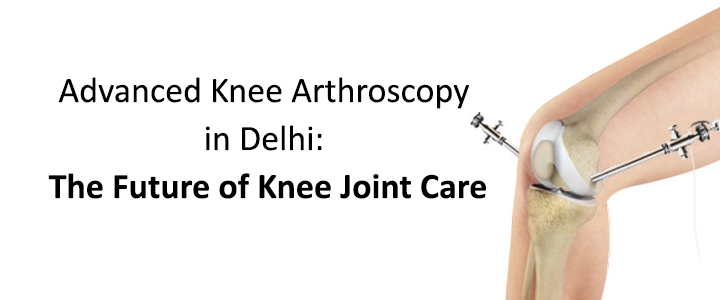
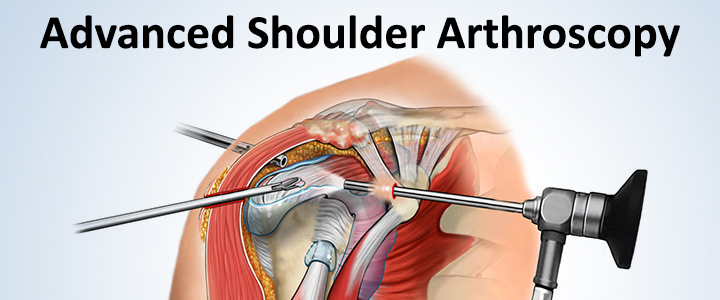
Arthroscopy involves making a couple of tiny cuts in the skin, through which an orthopedic surgeon inserts a slim instrument with a camera (arthroscope) to explore a joint. The images are large and clear on the monitor so the surgeon is able to find out what is wrong and correct it using the special tools.
The most usual joints for arthroscopy are:
- knee
- shoulder
- hip
- ankle
- elbow
- wrist
Since the incisions are only tiny, in most cases patients will get:
- less pain after the operation
- very small scars
- quick recovery
- lower infection risk
- miced up routine activities sooner
Why Is Arthroscopy Sometimes Not Recommended?
Though arthroscopy is very effective for the majority of orthopedic cases, it will not work for every person.
See the reasons below for the most popular ones.
1. Advanced Osteoarthritis
Osteoarthritis that has progressed significantly is the main reason why doctors usually won’t recommend arthroscopy.
In very severe cases of arthritis:
- All the cartilage has worn off.
- The bones have started rubbing together.
- The joint has become stiff and badly shaped.
Arthroscopic surgery aimed at removing cartilage debris may only slightly improve the symptoms or may not help at all, as it is incapable of fixing these basically irreversible changes.
On the other hand, for such stage of the disease, procedures like:
- Controlling body weight
- Muscle rehab and strengthening
- Medications
- Injections
- Joint replacement surgery
are likely to yield better overall long-term results.
2. Degenerative Meniscus Tears Without Locking Symptoms
Over time meniscus can become damaged in many adults over 50 years old and the tear is a result of the aging process rather than a trauma.
If this tear has been caused by the arthritis and the patient has:
- No locking
- No catching
- No major mechanical symptoms
Based on the current studies, physical therapy treatment might be equally effective as arthroscopic operation when it comes to reducing pain and improving function.
3. Severe Joint Damage
When the scans indicate:
- Significant loss of the cartilage layer
- Change in bone shape
- Marked narrowing of the joint space
doing an arthroscopic procedure won’t lead to the restoration of the joint surface that has been damaged.
4. Generalized Joint Pain Without a Clear Cause
If the diagnostic imaging and clinical examination fail to localize the problem area, then arthroscopy is not the procedure to be done in order to figure out the reason of the patient’s pain.
The doctor needs to figure out what is really going on before dealing with the symptoms.
5. Poor Surgical Candidates
These patients are suffering from some medical conditions that increase the risks of the operation:
- Uncontrolled diabetes
- Severe heart disease
- Active infection
- Bleeding disorders
- Poor overall health
For these patients, non-surgical methods may be the best option until their medical condition has been adequately controlled.
6. Active Joint Infection
It is said that arthroscopy is not appropriate if the joint that is to undergo surgery has a present infection that has not been treated yet.
Antibiotics should be given first if the infection in the joint is diagnosed:
- Usually with a course of antibiotics
- Joint drainage (if required)
- General medical management
Executing arthroscopy in a joint that is infected might contaminate the disease to a more serious stage.
7. Unrealistic Expectations
There are patients who think that arthroscopy will heal all problems of joint pain.
They should be aware that arthroscopy:
- Cannot turn back the time on severe arthritis
- Is not able to regenerate the lost cartilage
- Does not stop the natural process of aging
- Is not capable of erasing the entire source of pain
Good communication is necessary for the patients to get a clear picture of the pros and cons.
In Which Cases Is Arthroscopy Recommended?
While arthroscopy is definitely not suitable for every problem, it still is the best and most preferred method to diagnose and treat many orthopedic problems.
The main indications are:
Meniscus Tears
In particular, in younger patients who have mechanical symptoms.
ACL Injuries
The knee is stabilized after the ligaments have been torn with the help of an arthroscopic ACL reconstruction.
Rotator Cuff Tears
A torn rotator cuff can also be repaired with shoulder arthroscopy.
Shoulder Instability
For patients who experience repeated dislocations, surgery is often the best solution and arthroscopy is usually the technique that is employed to stabilize the joint.
Shoulder Impingement
If you experience pain due to a pinched nerve, then a minimal access operation to the area may be your best option.
Loose Bodies
You can get rid of these fragments of cartilage or bone by the use of a keyhole operation.
Labral Tears
SLAP lesions or the ones affecting the Bankart region, are excellent candidates for the arthroscopic repair procedure.
Sports Injuries
Most of the time, athletes want to continue doing their sport and this can be accomplished with arthroscopy because it is less traumatic and the return to play is quicker.
Advantages of Arthroscopy
Arthroscopy is minimal invasive surgery. Aside from this feature, there are many other benefits of this surgical procedure:
Smaller Incisions
Incisions are always kept to a minimum.
Faster Recovery
One can expect a much quicker healing time than an open surgical procedure.
Less Pain
They involve little tissue cutting, which results in less pain after the operation.
Lower Infection Risk
The risk of infection is reduced by the fact that only a few, small wounds are created.
Better Joint Visualization
This kind of magnified imaging that comes with the arthroscope helps in the diagnosis and treatment of joint problems.
Earlier Return to Daily Life
The majority of patients can go back to their regular lifestyles in a matter of days instead of weeks.
What to Do If You Don’t Get Arthroscopy?
If your doctor thinks that arthroscopy won’t help you, other methods of treatment may be at your disposal.
Physiotherapy
It promotes muscle strengthening and will help you to achieve better joint function.
Medications
Some medications such as pain relievers and anti-inflammatory drugs help to control symptoms like discomfort and swelling.
Lifestyle Changes
Maintaining a healthy weight, in particular through diet, will be a great help in easing pressure on your joints.
Activity Modification
By giving up repetitive stress-causing activities, you will be able to reduce pain.
Corticosteroid Injections
This form of treatment is a must-try if the problem relates to inflammation.
PRP Therapy
Platelet-rich plasma may be a viable option for these patients, depending on the individual’s condition and current evidence.
Hyaluronic Acid Injections
Can sometimes be efficacious in alleviating symptoms temporarily in carefully selected cases of knee osteoarthritis.
Joint Replacement
In the case of severe arthritis, the most reliable and long-term solution for pain is arthroplasty of the knee or shoulder rather than arthroscopy.
How Does an Orthopedic Surgeon Decide?
Together with the consideration of one or two factors, a specialist always thinks of many before finally suggesting a treatment like arthroscopy.
Some of them are:
- Patient’s age
- Activity level
- MRI findings
- X-ray results
- Type of injury
- Severity of symptoms
- Joint stability
- Previous treatments
- Medical history
- Overall health
It is a fact that treatment strategies cater to a patient’s characteristics rather than just a single test outcome.
Can Arthroscopy Make Arthritis Worse?
Actually, the surgery called arthroscopy should not make arthritis worse when the operation is done for the right reasons. However, if such a procedure is applied to patients with very severe degenerative arthritis, those for whom operation will most likely not be beneficial, it may result in the patient being subjected to the risks of surgery without obtaining any significant help.
That is the main reason why rigorous, data-driven patient selection is very important.
Tips for Better Joint Health
Even if arthroscopy is not on the cards for you, the following are some ways through which you can keep your joints in a great shape:
- Try to keep a healthy and stable body weight.
- Engage in physical activities as much as possible.
- Work on strengthening muscles around your problematic joint.
- It is advised to warm your body before doing heavy workouts.
- Your diet should be a well-balanced one with emphasis laid on proteins and a good supply of calcium along with vitamin D.
- Quit smoking.
- Keep your diabetes under control along with other chronic conditions.
- If you have persistent joint pain, do not ignore it and seek treatment at an early stage.
Why Choosing the Right Orthopedic Surgeon Matters
It is not just the skill of a surgeon that determines the effectiveness of an arthroscopy but also the ability to choose the appropriate patients for it. A veteran orthopedic surgeon will not just take the patient’s symptoms into account but also the imaging, the findings of the physical examination, and most importantly the lifestyle of the patient before suggesting surgery.
It is their mission not only to restrict arthroscopy to cases where it is expected to lead to the highest level of improvement but also to promote non-surgical methods in cases where they prove to be better ones.
Final Thoughts
Why, then, is arthroscopy not recommended in many cases? The reasons are straightforward. The evidence speaks against it. Surgery will not come as a benefit in many cases. Patients who have advanced osteoarthritis, severe joint damage, or age-related degenerative changes are usually better off doing non-surgical treatments as these can give the same or better results.
Yet, for certain situations such as ligament tears or other sports injuries, rotator cuff tears, shoulder instability, and some meniscus injuries, arthroscopy is still one of the safest and most effective treatment options that can be turned to.
If you happen to have joint pain that just won’t go away, the best thing you can do is to get your evaluation done by a well-experienced orthopedic specialist. The diagnosis made in the very first step can lead you to the most effective treatment choice.
Frequently Asked Questions (FAQs)
1. Why is arthroscopy not recommended for everyone?
Arthroscopy works well only for certain types of joint disorders. For example, it is generally ineffective for patients with advanced osteoarthritis or very deteriorated joints.
2. Is arthroscopy recommended for knee osteoarthritis?
Usually not for severe cases of knee osteoarthritis. Other treatments like therapy or even replacement surgery may offer more effective results in the long run.
3. Can physiotherapy replace arthroscopy?
Absolutely. Physiotherapy combined with exercise is often a key factor in recovery for patients who have a displaced meniscus or are in the early stages of arthritis.
4. Is arthroscopy still useful for sports injuries?
Definitely. Arthroscopic surgeries are frequently performed for tendon and ligament tears like ACL and meniscus, rotator cuff tears, and shoulder instability cases.
5. Does arthroscopy cure arthritis?
Unfortunately, it isn’t possible. Arthroscopy cannot restore lost cartilage or halt the progression of osteoarthritis.
6. Can arthroscopy remove damaged cartilage?
The surgeon can take away fragments of cartilage that are loose; however, they can’t regrow or restore areas where cartilage has been lost.
7. Is arthroscopy safer than open surgery?
Indeed. Since only minimal incisions are made during arthroscopy, it normally leads to less pain, smaller scars, and quicker healing than open surgery.
8. What are the risks of arthroscopy?
These include infection, bleeding, formation of clots, damage to nerves, stiffness, and ongoing pain. However, serious complications are rare.
9. How long does it take to recover from arthroscopy?
It can take anywhere from a few weeks after simple operations to several months when ligaments or tendons have been repaired.
10. Can older adults have arthroscopy?
It is quite possible, but the final choice is made considering the state of the joint, general health, and anticipated gains rather than just chronological age.
11. Is arthroscopy painful?
Only a small number of people report moderate to severe pain following surgery while majority find discomfort at low to mid-level. Also, the pain can be controlled effectively through medications and rehabilitative exercises.
12. What happens if arthroscopy is not suitable?
If arthroscopy is not a good option for you, your orthopedic surgeon may consider other treatment methods such as physiotherapy, medication, injections, lifestyle modification or even joint replacement depending on the state of your condition.
13. How do doctors decide whether arthroscopy is needed?
The decision making begins by doctors determining the extent of the problem by assessing your symptom, doing the physical examination, checking your imaging results, figuring out your level of daily activity and at the same time seeing your reaction to the non-surgical treatments you have received as well as your willingness to do surgery if it is needed.
14. Can arthroscopy prevent future joint problems?
Theoretically arthroscopy can be done to a patient to correct the damage and at the same time enhance the function of the joint. However, it does not have the capability of stopping the natural changes brought about by aging and neither will it inhibit completely the future deterioration of the joint.
15. When should I consult an orthopedic surgeon for joint pain?
You should seek medical consultation if the joint pain you are experiencing has been ongoing for a long time, more than the usual few weeks. Also, if it is severely affecting your everyday functioning and has no signs of getting better despite several attempts at rest and other conservative therapy methods, that could be a signal for you to go see a doctor. Other symptoms worth consulting a doctor include joint strain and locking.
Related Posts
Advanced Knee Arthroscopy in Delhi: The Future of Knee Joint Care
Advanced Knee Arthroscopy in Delhi: The Future of Knee Joint…
Advanced Shoulder Arthroscopy in Delhi
Advanced Shoulder Arthroscopy in Delhi – Precision Care by the…

Sant Parmanand Hospital Appointment
Book Your Sant Parmanand Hospital Appointment – Expert Care, Simplified…
One Reply to “Why Is Arthroscopy Not Recommended?”
Comments are closed.