


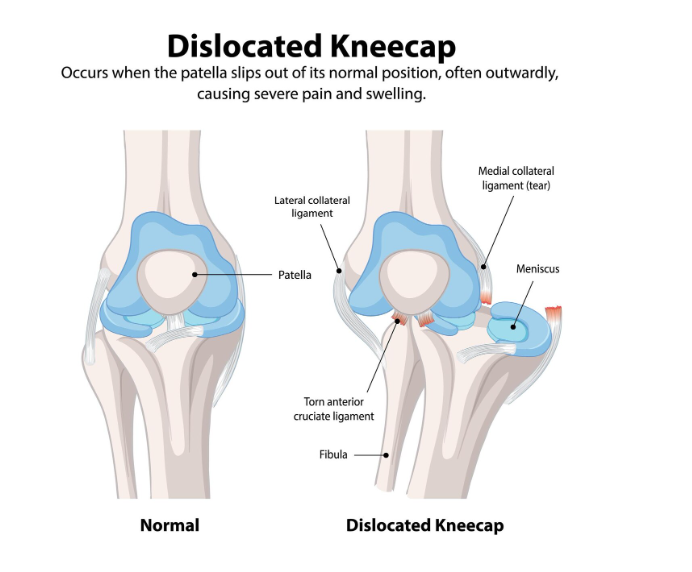
There’s a particular kind of frustration that comes with a knee giving way again after you’ve already been through ACL surgery once — the recovery, the physiotherapy, the months of careful rebuilding, and somehow you’re back to the same instability that started this whole process. It’s disheartening, and it’s also more common than people realize. Graft failure happens in a meaningful minority of ACL reconstructions, and when it does, the path forward is a second procedure — ACL revision surgery — which is genuinely a different undertaking than the first one, not just a repeat of it.
In short: an ACL graft can fail for a handful of identifiable reasons — a new injury, a technical issue with the original surgery, or the graft simply not incorporating properly — and revision surgery addresses whichever of these applies, often with a different graft choice and more complex planning than the original reconstruction. Outcomes are generally good, though realistically not quite as reliably good as a first-time ACL reconstruction, which is exactly why getting the “why” right before going back into surgery matters so much.
Why ACL Grafts Actually Fail
Graft failure isn’t one single thing — it’s usually one of a few distinct causes, and figuring out which one applies changes the entire revision plan.
A new injury is the most straightforward cause — the reconstructed ACL was healing well and functioning normally, and then a subsequent twist, fall, or sporting incident tears it again, essentially the same way the original ACL was torn. This is more common in younger, athletically active patients returning to pivoting sport, and it doesn’t necessarily reflect a problem with the original surgery at all.
Technical issues with the original surgery are a second, less common but genuinely important cause — most often related to tunnel placement. If the bony tunnels drilled during the first reconstruction weren’t positioned at the correct angle or location, the graft can end up mechanically disadvantaged from the start, more prone to stretching out or failing even without a specific re-injury. This is part of why precision in the original surgery matters so much, and it’s also why a revision surgeon needs a very clear picture of exactly how the first surgery was done.
Biological failure is the third category — the graft simply doesn’t incorporate properly into the bone tunnels the way it should, sometimes for reasons that aren’t fully identifiable, occasionally related to graft type, tunnel healing, or individual biological factors. And separately, rehabilitation that was rushed or inconsistent can also contribute — a graft that wasn’t given adequate time or the right progressive loading to mature fully is more vulnerable to failing under stress it should have been able to handle.
Recognizing That the Graft Has Actually Failed
The symptoms tend to echo the original ACL tear fairly closely — a sense of the knee giving way, particularly during pivoting or changing direction, instability that undermines confidence in activities that used to feel fine, and sometimes swelling if a specific new incident triggered the failure. Some patients notice the return of instability gradually, without a clear single moment, which can make it harder to recognize at first, since it’s easy to attribute early symptoms to simply “not being fully recovered yet.”
An MRI is essential here, and it needs to do more than just confirm the graft has failed — it needs to assess the graft’s condition, check the position and integrity of the existing bone tunnels, and look for any new damage to the meniscus or cartilage that might have occurred alongside the graft failure. This information directly shapes the revision surgical plan.
What Actually Makes Revision Surgery More Complex
This is worth being upfront about, because revision ACL surgery genuinely isn’t the same procedure done a second time — it comes with additional layers of planning the original surgery didn’t need.
Existing tunnels are often the biggest technical challenge. The bone tunnels from the first surgery may be enlarged, in a suboptimal position, or simply in the way of where new tunnels ideally need to go. Depending on the situation, a surgeon may need to work around the old tunnels, widen and bone-graft them in a staged procedure before a second-stage reconstruction, or find a modified tunnel path — decisions that require careful pre-surgical imaging and planning rather than being worked out mid-operation.
Graft choice often shifts too. If the original surgery used the hamstring tendon, for instance, a revision may turn to the patellar tendon, an allograft (donor tissue), or a different combination — partly to use fresh, unharvested tissue, and partly because certain graft types handle the altered bone tunnel conditions better than others in specific situations.
Hardware from the original surgery — screws or fixation devices used the first time — sometimes needs to be removed or worked around, adding a layer of complexity that a first-time reconstruction simply doesn’t involve.
Associated damage is also more common in revision cases. Meniscus tears, cartilage damage, or looseness in other supporting ligaments are more frequently found in a knee that’s already been through one ACL injury and reconstruction, and these often need to be addressed in the same surgery for the knee to end up properly stable.
What Recovery Looks Like the Second Time Around
The broad shape of revision recovery follows a similar arc to the original ACL recovery — early mobilization, a gradual build through range of motion and strengthening, a staged return to running and then pivoting activity. But the timeline is often somewhat longer, and the pace tends to be more conservative, partly because the tissue environment is more complex the second time and partly because there’s simply less margin for rushing when a knee has already failed once.
Physiotherapy plays, if anything, an even more central role in revision recovery than in a first-time reconstruction. The muscles around a knee that’s been through instability and a second surgery often need more deliberate rebuilding, and return-to-sport decisions are generally made even more conservatively, guided closely by objective strength and movement testing rather than a fixed calendar or how the knee subjectively feels.
Why the Diagnosis-First Approach Matters Even More Here
Because there are several genuinely different reasons a graft can fail, and because the surgical plan changes meaningfully depending on which one applies, getting a precise understanding of why the first ACL failed is arguably more important in revision surgery than in the original procedure. A surgeon experienced in revision cases specifically will typically want detailed imaging, a clear account of the original surgery and rehabilitation, and a thorough exam before finalizing a plan — rather than assuming the second surgery is simply a repeat of the first with a fresh graft.
Dr. Shekhar Srivastav has 28 years of orthopedic surgical experience and is HOD of the Orthopedics Department at DITO, Sant Parmanand Hospital, Delhi, with extensive experience in arthroscopic ACL reconstruction, including complex and revision knee ligament cases.
Common Questions
Is ACL revision surgery as successful as the first surgery? Outcomes are generally good, but success rates for revision surgery are typically somewhat lower than for a first-time reconstruction, largely due to the added complexity of existing tunnels, tissue changes, and often more associated joint damage.
How do I know if my ACL graft has failed, versus just needing more time to recover? Persistent or returning instability, especially a sense of the knee giving way during pivoting, well beyond the expected recovery window is the key warning sign — an MRI and clinical exam can confirm whether the graft has actually failed.
Will I need a different type of graft for revision surgery? Often, yes — many surgeons prefer to use a different graft source than the one used originally, though this depends on the specific situation, the condition of the existing tunnels, and what tissue is available.
Is recovery from revision surgery longer than the first time? Generally, yes, and the pace is often more conservative, with return-to-sport decisions guided closely by strength and movement testing rather than a fixed timeline.
Can a graft fail even if the original surgery was done well? Yes — a new injury during sport or an accident can tear a well-positioned, properly healed graft the same way the original ACL was torn, independent of how well the first surgery was performed.
If Your Knee Feels Unstable Again
A knee that’s given way again after ACL surgery, or that’s never quite regained the stability you expected, deserves a proper evaluation rather than assuming it’s just a slow recovery. Dr. Shekhar Srivastav consults on ACL graft failure and revision surgery at DITO, Sant Parmanand Hospital, and at Prime Speciality Clinic in Jagriti Enclave.
📞 +91-9971192233 📍 Sant Parmanand Hospital, Civil Lines, Delhi | Prime Speciality Clinic, Jagriti Enclave, Delhi delhiarthroscopy.com/arthroscopic-acl-reconstruction
Related Posts
Best Knee Surgeon for ACL Repair Delhi
Best Knee Surgeon for ACL Repair Delhi – Dr Shekhar…

Heal Faster, Move Better with Dr. Shekhar Srivastav – Delhiarthroscopy Expert
Heal Faster, Move Better with Dr. Shekhar Srivastav – Delhiarthroscopy…
Best Orthopedic Specialist in Delhi
Best Orthopedic Specialist in Delhi – Dr. Shekhar Srivastav: Expert…
One Reply to “ACL Graft Failed? Everything You Need to Know About Revision Surgery”
Comments are closed.