


Shoulder pain may seriously damage one’s quality of life by making simple daily activities like lifting, reaching, or even sleeping uncomfortable. One of the major causes of shoulder pain is rotator cuff pain. Early treatment of shoulder rotator cuff pain not only prevents the condition from becoming chronic but also speeds up the healing. In this article, Dr. Shekhar Srivastav, a shoulder and arthroscopic expert and surgeon, shares his expert advice on the most effective treatments for a complete and lasting relief.
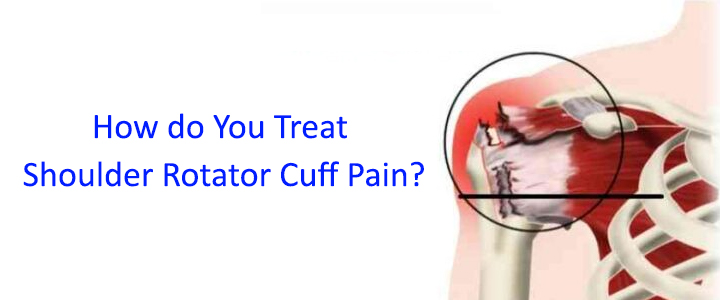
What is Shoulder Rotator Cuff Pain?
The rotator cuff comprises a set of muscles and tendons that support the shoulder joint and permit arm movement without friction. Shoulder rotator cuff pain may be caused by several factors such as repeated use, getting older, bad posture, sports injuries, or a sudden accident. At times, one may develop inflammation or a tear in the tendon, which would contribute to immobilization and pain.
Proper diagnosis coupled with the right treatment options will limit the discomfort and fasten the recovery process.
Symptoms of Rotator Cuff Pain
Shoulder rotator cuff pain sufferers may experience the following:
- The shoulder ache remains for a long time without fading
- At night or even when inactive, the pain gets intensified
- When an individual tries to do things that require arm movement, such as lifting or turning, they find it hard to do so
- The shoulder becomes very feeble
- The shoulder cannot be moved as freely as before
It is a good idea to see a medical professional if you experience these symptoms. Dr. Shekhar Srivastav is the expert you should be looking out for.
Initial Treatment for Shoulder Rotator Cuff Pain
1. Rest and Activity Modification
One of the most important things that a patient should do, when his shoulder rotator cuff hurts, is to give the shoulder the rest that it needs. In particular, you should refrain from doing the activities that put the most strain on your shoulder, like repetitive overhead movements or heavy lifting.
2. Ice and Heat Therapy
Ice application is very helpful in decreasing the inflammation and pain, especially in the very first stage of the injury. Heat therapy, on the other hand, can be used later on to help loosen the muscles and increase blood flow.
Physiotherapy: A Key Treatment Option
Physiotherapy is an essential part of dealing with shoulder rotator cuff pain. A well-organized rehab program operates on the principles of muscle strengthening, flexibility enhancement, and joint movement restoration.
Physiotherapy brings the following advantages:
- Relief from pain without the need for surgery
- Increased shoulder strength
- Better mobility
- Lowered risk of re-injury
Performing exercises without professional help can be quite dangerous, so it’s best to always be guided by a professional.
Medications and Injections
Anti-inflammatory drugs might be suggested as a way to alleviate pain and reduce swelling. When inflammation is severe, corticosteroid injections can be used to provide short-term relief of symptoms.
Medications are just a means of symptom control and thus, they cannot replace the function of surgically repairing the torn tendons. Hence, they are usually combined with physiotherapy for optimum effects.
Advanced Treatment Options
Accurate Diagnosis
Figuring out the right treatment for shoulder rotator cuff pain can only be accurate if diagnosis is spot on. MRI or ultrasound, for example, are a couple of imaging tests that show us whether there is tendon damage, inflammation, or tears.
Arthroscopic Rotator Cuff Surgery
In cases where non-surgical methods do not work or there is a major tear, Dr Shekhar Srivastav may go for the minimally invasive arthroscopic surgery. Using the latest technology, this operation is carried out by making very small cuts through which the tendons are repaired. Pain is less and one is able to recover sooner.
Lifestyle Changes to Support Recovery
Living habit changes can really help one in managing shoulder rotator cuff pain well. Some easy changes are:
- Keeping the right posture
- Exercising the shoulder and upper back muscles
- Not putting too much strain frequently on the muscles
- Doing warm-up exercises before engaging in sports or any other activity
How can these changes help? By giving the shoulder the much-needed rest and therefore avoiding the episode again.
When Should You Consult Dr Shekhar Srivastav?
If you notice the following symptoms, it is time to see a doctor:
- The pain in your shoulder is not going away even after two weeks
- Pain at night is keeping you from sleeping
- Due to weakness in the shoulder, you cannot perform your day to day activities
- Home remedies have failed to provide you with a solution
There are numerous benefits associated with starting treatment promptly and they include faster recovery as well as no complications.
Summary
Learning how to treat shoulder rotator cuff pain calls for using a mixture of rest, physical therapy, medication, and when necessary, a surgical operation at the highest level. It is possible for patients to attain strength, range of motion, and a pain-free shoulder if Dr Shekhar Srivastav accurately diagnoses and issues them a treatment plan that is tailored to their needs. Do not hesitate to get in touch with a professional if shoulder pain is something that you have been struggling with.
Related Posts
How Long Does It Take to Recover After ACL Surgery
Understanding ACL Surgery Recovery Time: A Complete Patient Guide An…


Which Hospital is the best for Orthopedics in India?
Patients with chronic joint pain, fractures, sports injuries, or those…
One Reply to “How do You Treat Shoulder Rotator Cuff Pain?”
Comments are closed.