
Shoulder pain is one of the most common problems that can happen to anyone from any age group. Among the various reasons for chronic shoulder pain, a rotator cuff injury is one that keeps cropping up. Patients frequently inquire whether a rotator cuff can heal independently or not. Knowing if a rotator cuff can heal naturally helps in making decisions regarding treatment options and thus preventing complications later on. Here Dr Shekhar Srivastav, the expert at shoulder and arthroscopic surgery, discusses how the damaged rotator cuff can self-heal and in which situations a doctor’s advice is mandatory.
Understanding the Rotator Cuff
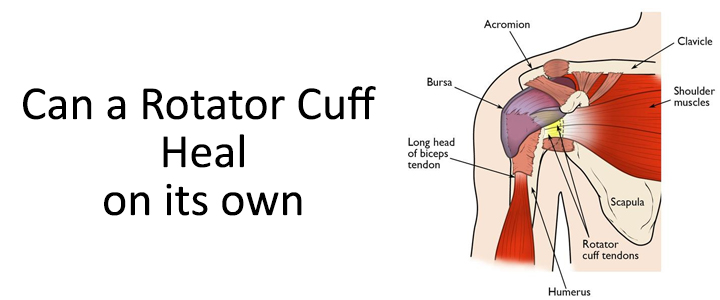
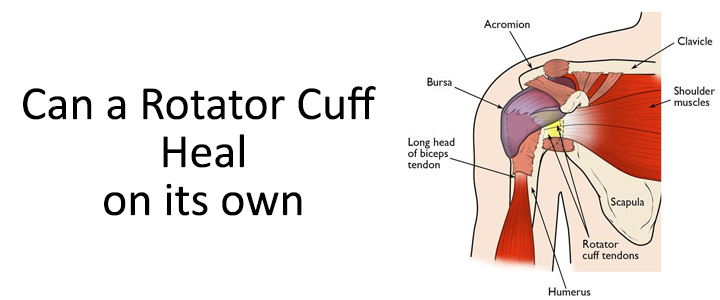
The shoulder joint is surrounded by the rotator cuff that includes four muscles and their tendons which help in stabilizing the joint as well as making arm movements effortless. These tendons are chiefly responsible for various arm movements like lifting, rotating, and controlling the arm. A rotator cuff injury may be caused by a combination of different factors such as overuse, getting older, having a bad posture, or suddenly experiencing some trauma.
Whether or not the rotator cuff would be able to recover is mainly a question of the nature and extent of the injury.
Can a Rotator Cuff Heal on Its Own?
The explanation to “Whether a rotator cuff can heal by itself?” is that it depends on the nature of the injury, i.e., whether it is a strain, partial tear, or complete tear. Inflammation of a mild nature or small strains usually get better naturally with rest and other necessary care. In contrast, medically untreated serious injuries can sometimes be irreversible.
When a Rotator Cuff Can Repair Itself
Sometimes that rotator cuff heals by itself, especially when:
- The injury is mild and only the tendon gets inflamed
- There is no serious tearing of the tendon
- Pain is relieved with rest and changing habits
- Strength and movement are getting back to normal
Such natural healing can be encouraged by conservative treatments like rest, physiotherapy, and posture correction.
When a Rotator Cuff Is Not Able to Heal Itself
Dr Shekhar Srivastav points out that full-thickness rotator cuff tears won’t heal without surgery. A complete separation of the tendon means that the tissue is incapable of reattaching itself unless intervention is provided either by the doctor or the operation.
Some of the signs that the rotator cuff will not heal naturally include:
- Shoulder pain that goes on and becomes worse
- Extremely weak arm
- Inability to raise the arm
- Pain that affects your sleep
- Not getting better even after weeks of rest
Leaving such problems untreated will only damage the tear further and make it harder for the patient to recover.
Role of Early Diagnosis
Figuring out if a rotator cuff will be able to repair itself demands a precise diagnosis. Imaging like MRI or ultrasound scans facilitate the identification of the tendon condition and thus, the therapeutic plan can be properly made. Getting checked early can be non-surgical in some cases if it is the right way.
Treatments for Rotator Cuff Injuries
Non-Surgical Treatment
In cases of minor injuries, treatment might be:
- Rest and avoiding certain activities
- Physiotherapy and gradual strengthening exercises
- Medications reducing inflammation
- Corticosteroid injections (if necessary)
Reference these methods, to alleviate pain, restore functioning, and also help healing.
Surgical Treatment
In cases of a severe injury or one that does not respond to conservative care, arthroscopic rotator cuff repair might be a surgery of choice. Dr Shekhar Srivastav is an expert in minimally invasive techniques that restore tendon function and also result in a quicker recovery.
Risks of Neglecting Rotator Cuff Injuries
If you keep ignoring the pain in your shoulder and hoping that the rotator cuff will just heal itself, then one of the results could be continuous pain, tightness, and permanent loss of strength in the shoulder. Besides, an untreated tear that enlarges will result in lower treatment success.
When Is It Necessary to Go to Dr Shekhar Srivastav?
Expert intervention is required if:
- Your shoulder pain has not gone away after two weeks+
- Pain at night worsens
- The shoulder weakness is causing limitation of your daily activities
- Symptoms are still the same or worse even if you do exercises
One of the advantages of going to see a doctor without delay is that you get properly diagnosed and treated appropriately.
What’s More
Truly, can a rotator cuff recover by itself? Slight strains might get better by non-surgical treatments but considerable ruptures need medical treatments. Patients under the care of Dr Shekhar Srivastav not only receive therapy but also counseling for rehabilitation of shoulder functionalities to prevent sequelae. Therefore, if after a long time you still have shoulder pain, do not depend on your body’s ability to heal itself get medical experts’ help to have relief that will last.