
Walking, exercising, and performing regular chores can be severely limited due to knee pains, stiffness, or trauma. Orthopedic advances have popularized knee arthroscopy as the best and least invasive treatment for both diagnosis and therapy of knee joint problems. Patients at the leading orthopedic center under the seasoned orthopedic surgeon, Dr. Shekhar Srivastav are guaranteed to be in safe hands as he uses the most modern arthroscopic techniques to deliver care that is accurate, efficient, and dependable.
What Is Knee Arthroscopy?
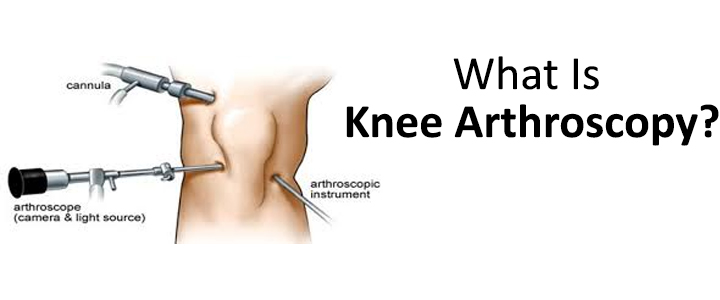
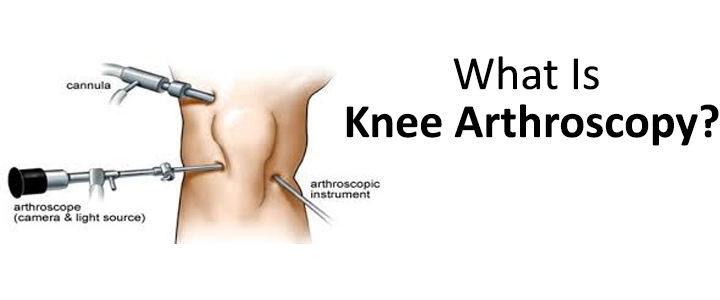
Knee Arthroscopy is a minimally invasive surgical technique that involves exploring and treating the knee joint. The surgeon inserts an arthroscope, an instrument with a camera, into the knee through very small incisions. The camera shows pictures of the knee on a screen in real-time, which helps the surgeon to very accurately diagnose the damage. Then, the surgeon is able to repair or remove the damaged tissue using various instrument superspecialhyperspessiences specially designed for such purposes.
There is less damage to the tissues, less pain, and a speedier recovery when knee arthroscopy is compared to the old method of open surgery.
Reasons for Knee Arthroscopy
Knee arthroscopy is useful when a doctor needs to examine a patient’s knee to consider various problems that may not respond to the usual medications and physical therapists. It allows the doctor to pinpoint pain sources in the knee and fix them simultaneously. For these reasons, knee arthroscopy can serve both diagnosis and treatment.
Knee Arthroscopy For:
Dr Shekhar Srivastav has efficiently used knee arthroscopy in the treatment of several knee problems including:
- Meniscus tears
- ACL and PCL ligament injuries
- Cartilage damage
- Loose bone fragments or cartilage pieces
- Knee inflammation and synovitis
If not taken care of in time, these conditions will cause pain, swelling, and instability to your knee.
Benefits of Knee Arthroscopy
Knee arthroscopy has quite a few perks over regular surgery:
- Very small cuts and hardly any scars
- Much less pain and swelling after the operation
- Lower chances of infection
- Shorter stay in the hospital
- Recovery is faster and you can get back to your daily activities sooner
Such advantages have made knee arthroscopy a choice that many patients prefer.
How Is Knee Arthroscopy Performed?
You are likely to be given either regional or general anesthesia for the procedure.
The surgeon makes minute cuts around your knee and inserts the arthroscope to get a close view of the joint.
Besides, when the source of the problem is known, surgical instruments are used to either fix or remove any damaged tissue.
After that, the incisions are closed, and the knee is covered with a bandage.
Usually, the patients either don’t get admitted or stay for a very short period in the hospital.
Recovery After Knee Arthroscopy
After a knee arthroscopy, the recovery period is mostly shorter than after open surgery.
Indeed, within days after the operation, you could be walking, albeit with a little support.
To regain strength, flexibility, and stability of the knee joint, physiotherapy, which is well-structured, plays a crucial role.
Adherence to the post-operative guidelines is the key to a smooth recovery and achieving long-term results.
Is Knee Arthroscopy Right for You?
You may be a suitable candidate for knee arthroscopy if you continue to have knee pain, swelling, or stiffness even after trying conservative therapies.
Dr Shekhar Srivastav will during your consultation thoroughly examine you and decide if knee arthroscopy suits your treatment needs the best.
Conclusion
Getting to know what is knee arthroscopy is, will certainly help the patients decide wisely in matters of their knee health.
Thanks to advanced care and state-of-the-art procedures administered by Dr Shekhar Srivastav, knee arthroscopy has become a viable, safe, and efficient approach to both the diagnosis and treatment of knee joint problems.
If you get your treatment on time, you cure the issue of limited movement, reduce pain, and regain your independence with ease.