
What Happens 20 Years After ACL Surgery?
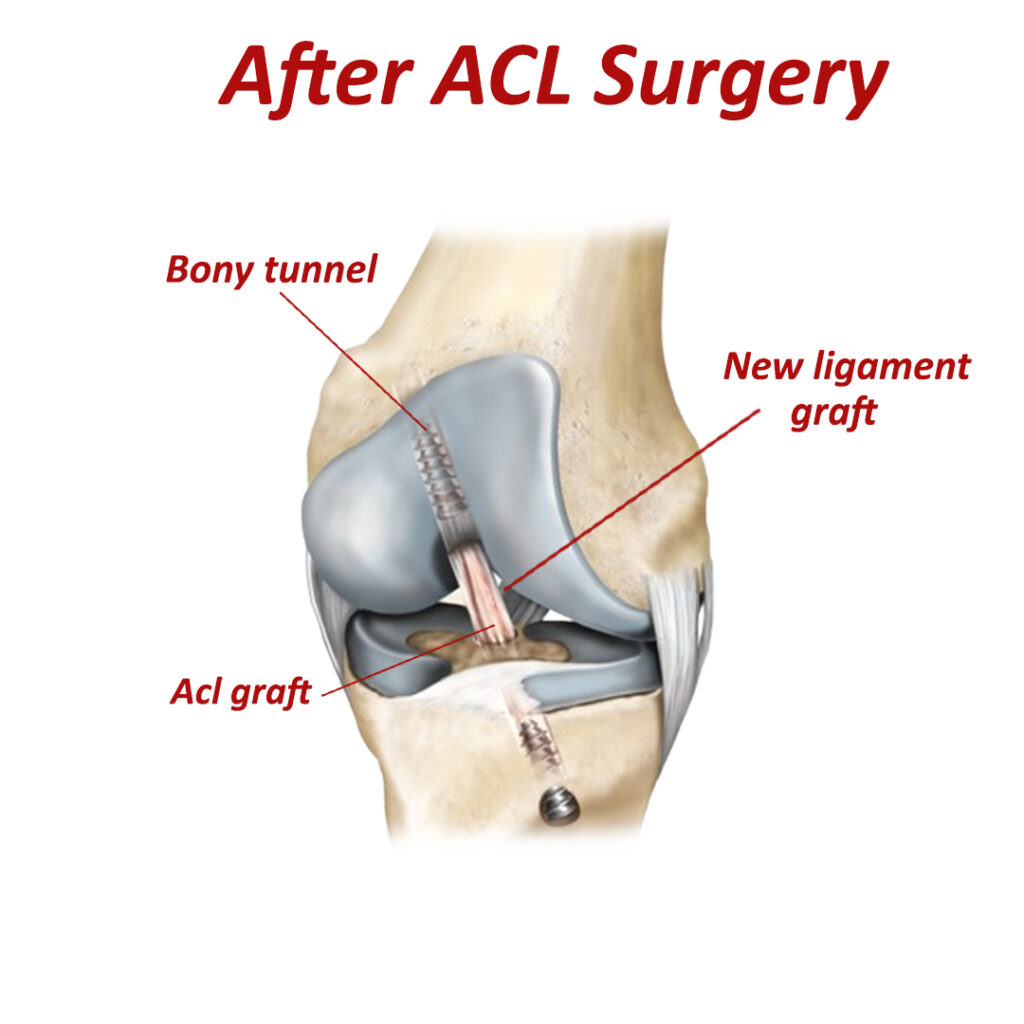
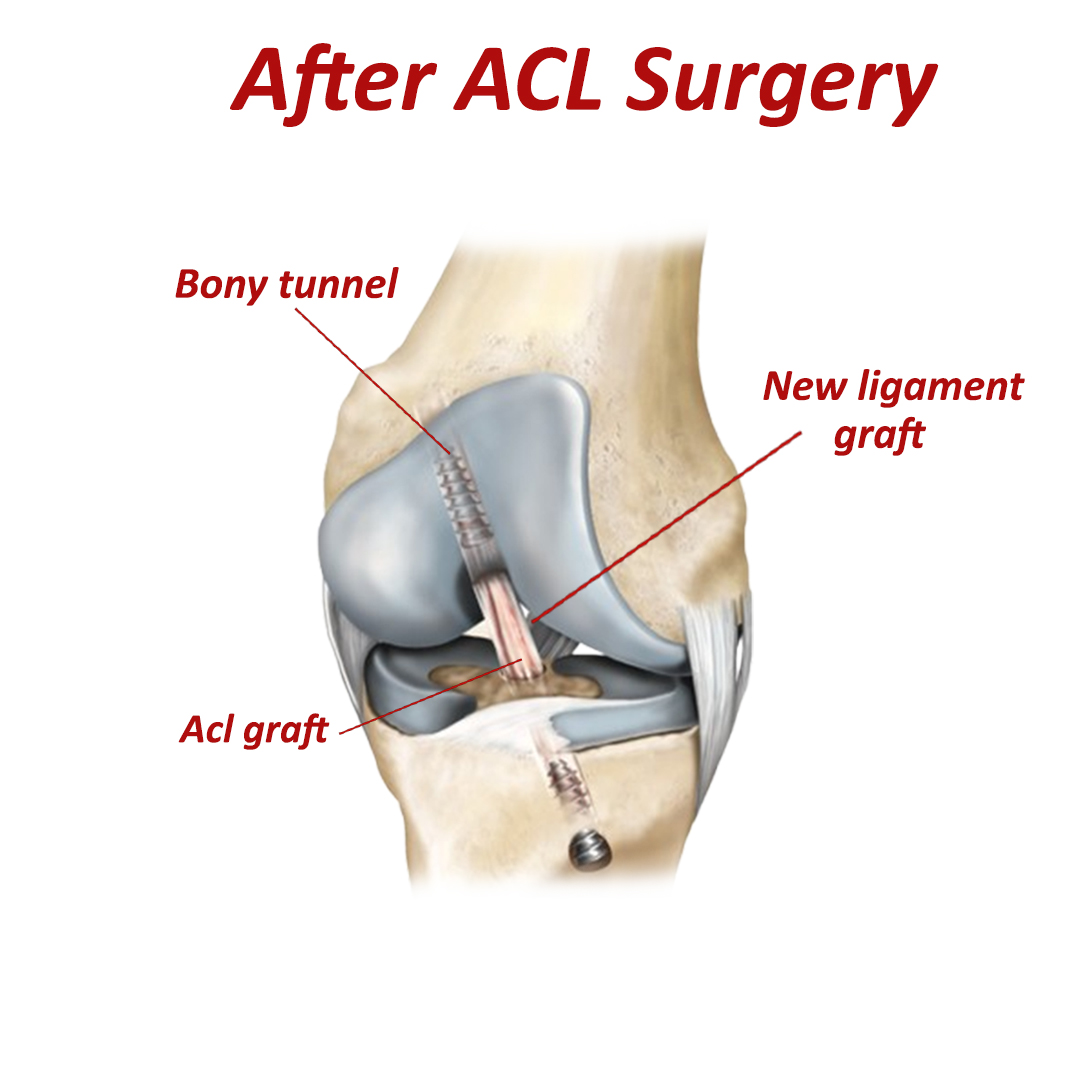
Reconstruction of the ACL (Anterior Cruciate Ligament) is ranked among the top 10 successful surgical interventions performed by the orthopedic surgeons, particularly on the athletes and individuals with a high level of physical activity. Nevertheless, the major concern of the patients is what might be the long-term impact of the intervention, especially what happens after 20 years post-ACL surgery.
Knowing this, patients, as well as doctors, decide to take a look at the long-term effects, the expected issues, and the tips that will help them keep their knees healthy many years after undergoing a procedure.
1. Long-Term Success of ACL Surgery
Most patients can boast of the stability and functionality of their knees even 15–20 years after the reconstruction of the ACL. Research results support this claim by stating that 85–90% of the patients they have studied report knee stability and can lead an active lifestyle without any significant problems.
If the operation was done right and a proper rehab program was followed, the body accepts and the newly formed ligament functions almost like a natural one.
To put it simply: 👉 Most people are capable of doing daily tasks such as walking, running, and going up stairs, as well as playing moderate sports without discomfort — even years after.
2. Possible Long-Term Outcomes (20 Years Later)
As excellent as the results of ACL surgery may be in the long run, there is still a small number of patients who complain about age-related issues and joint wear-and-tear after 15–20 years post-operation:
🔹 a. Mild Knee Stiffness or Weakness
Some individuals report that their knees are stiff and that happens mostly during cold seasons or after intensive workouts. Generally, it results from aging joints or less physical activity rather than from the operation.
🔹 b. Early Osteoarthritis (in Some Cases)
The data indicate that a fifth part of patients might experience mild osteoarthritis in their surgically treated knees after 15–20 years. It is a consequence of:
- Damaged cartilage caused by the time of injury
- Incomplete rehabilitation or muscle imbalance
- Playing high-impact sports for many years
Nevertheless, people who have been fully committed to their physiotherapy regimes and have never overdone their exercises frequently demonstrate little or no arthritis even after several decades.
🔹 c. Graft Durability
As people grow older, muscles and tendons around the knee that support the balance and coordination may get weaker. However, one can avert that by doing regular strengthening exercises.
3. How to Maintain Knee Health After 20 Years
It is very important to keep the knee healthy even after a long time following the ACL surgery. Here are some of the simple yet effective ways to keep your joints healthy and strong in the long run:
✅ a. Stay Active – But Smartly
Keep doing low-impact activities such as walking, swimming, or cycling which are good for the joint and muscles. Do not play high-impact sports (like football or basketball) unless your doctor has given you the go-ahead.
✅ b. Maintain Ideal Weight
The weight that you carry puts more pressure on your knees and, thus, the wear on your joints can go faster. Good maintenance of your BMI is a great way of keeping off osteoarthritis and other related problems.
✅ c. Regular Checkups
Every few years it is good to check on your condition with an orthopedic doctor. To make sure your knee is in good health, it can be a simple physical check or an MRI scan.
✅ d. Strengthen Supporting Muscles
One can strengthen quadriceps, hamstrings, and gluteal muscles by physiotherapy or gym training under the guidance of a trainer. Muscles that are strong can defend the knee and provide good balance.
✅ e. Avoid Sudden Twists and Strain
Even after years of recovery, sudden twisting and jumping can always be dangerous and lead to re-injury. Ensure that you always warm up properly and, if necessary, wear the correct footwear for support.
4. Can the ACL Tear Again After 20 Years?
Yes, as a matter of fact, it is possible for the ACL to be torn again after 20 years but it is a very rare case and usually happens when an accident or a new injury is involved. The ligament that has been reconstructed is still very strong, but it’s not completely impervious. In case this happens, a modern revision ACL surgery can come to the rescue and effectively stabilize the knee again.
5. Long-Term Effects of Expert Care
For example, after ACL surgery with a top professional surgeon like Dr. Shekhar Srivastav in Delhi and following his directions for rehabilitation and recovery, many patients are still able to enjoy a pain-free and healthy lifestyle even after 15–20 years. With his attention to precise graft placement, rehabilitation, and preventive care, Dr. Srivastav guarantees long-lasting results.
6. Alarm Signs to Monitor After a Long Time
First of all, if you had ACL surgery in the past, and now after a long time, you experience such symptoms as instability of the knee or “giving way” of the knee, then it is necessary to see an orthopedic doctor immediately. Unrelenting swelling or stiffness of the knee joint, besides that, is something that should also prompt you to visit an orthopedic doctor without delay. Another symptom that may indicate that it is time for a doctor’s visit is when one experiences knee clicking or locking accompanied by pain after doing some activity or ascending stairs.
- Feeling of knee instability or that the knee is “giving way”
- Long-lasting swelling or stiffness
- Sound or sensation of the knee clicking or locking
- Pain after doing some activity or when walking up stairs
These symptoms may point to degenerative changes, thinning of cartilage, or even partial tearing of the ligaments that can be managed effectively if only the patient is quick enough in their manufacturer’s visit.
7. The Conclusion: 20 Years After ACL Surgery
The majority of people who had the operation performed 20 years ago are in a position to:
- Have a knee that is both strong and practical
- Be able to do the normal livings of life with the addition of some activities
- In the least, cases, chances of slight arthritis or stiffness may develop (condition of some people)
- The lifelong advantages that come with a successful reconstruction can be enjoyed by most of the patients
The main aim of the surgery is the restoration of the knee function in the long run, thus what it brought into many patients’ lives could just be a lifetime benefit, when done by an expert and followed up with proper care and rehabilitation.
Therefore, despite the fact that aging will eventually bring about natural joint changes, your knee that has undergone ACL reconstruction would still be able to keep its strength and stability, provided that you stay fit, control your weight, and continue with preventive measures.
Conclusion
After two decades, the majority of patients who have undergone ACL reconstruction still have great mobility and a knee that functions without pain. Small wear and tear or the beginnings of arthritis may be present, but these can be kept at a minimum through regular exercise, good weight control, and proper follow-up.
In a nutshell, ACL reconstruction is a procedure that provides durable results — very often it can be considered as a solution for life — especially when it is done by a skilled orthopedic surgeon.
Whether you had an ACL surgery in the past or are planning to have one, meeting with a reliable ACL specialist doctor in Delhi like Dr. Shekhar Srivastav will give you the insight of the long-term expectations and help you keep your knee healthy for the next several years.