
Is ACL Surgery High Risk? Understanding the Facts, Risks, and Recovery
Anterior Cruciate Ligament (ACL) injury is basically one of the most frequent knee problems which happens mostly to athletes and people who live an active lifestyle. After having an anterior cruciate ligament torn, usually patients ask themselves if the operation to fix it is very risky. It is very important to know the details about the process, risks, and recovery if you want to take the right decision.
What is ACL Surgery?
An ACL surgery or reconstructive surgery is the one that helps you either fix or replace a severely damaged anterior cruciate ligament located in the knee. The ACL is one of the four main ligaments that provide support to the knee joint. The symptoms of a torn ACL are pain, swelling, and instability and the loss of everyday activities as well as not being able to play sports is a consequence of it.
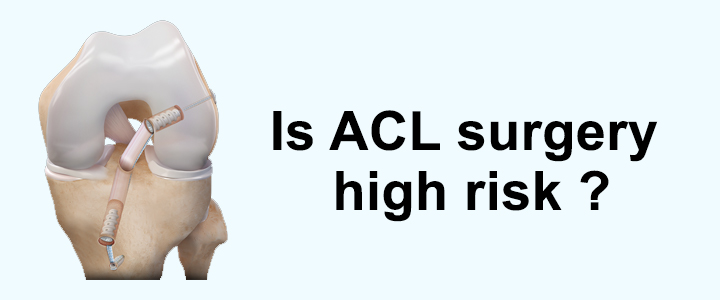
In the case of ACL surgery, the orthopedic surgeon will remove the torn ligament from the knee and replace it with a graft from the patient’s body (autograft) or a donor (allograft). Most of the time, the whole thing is done arthroscopically, meaning the operation is minimally invasive with only small incisions.
Common Reasons for ACL Surgery
An ACL reconstruction can be advised:
- When the anterior cruciate ligament has been completely torn and the knee is unstable
- Athletes on a competitive level who want to go back to sports
- Only for those patients who have experienced the knee giving way repeatedly
- In case there are injuries to meniscus or cartilage alongside
Although surgery can be a good way to bring back stability and function to the knee, it still feels like the question is hanging in the air: “Is ACL surgery high risk?“
Understanding the Risks of ACL Surgery
An ACL reconstruction is a risky endeavor just like any other surgical procedure, and has some risks attached to it. But due to contemporary methods, the situation is quite the opposite, and risk of complications is very small. To illustrate some of the main risks:
1. Infection
In fact, the anterior cruciate ligament (ACL) surgery is a minimally invasive procedure which reduces the risk of an infection at the surgical site or inside the knee joint. Along with this, surgeons use prophylactic antibiotics and sterilization as measures to prevent the occurrence of this risk.
2. Blood Clots
Blood clots formation, e.g. deep vein thrombosis (DVT), is a possible source of trouble after any surgical procedure. To prevent such a condition, patients are encouraged to move their legs and strictly observe post-operative guidelines.
3. Knee Stiffness or Loss of Motion
Some individuals might develop knee stiffness after the operation. To be able to regain the full range of motion and eliminate the risk of permanent stiffness, undertaking physical therapy is indispensable.
4. Graft Failure
In the instance where the reconstructed ACL is compromised due to an accident or the affected individual’s failure to follow the rehabilitation program, the graft may ultimately be torn. In such a case, the failed graft will most probably be replaced with a new one through another revision surgery that deserves additional attention.
5. Nerve or Blood Vessel Injury
There are times when operations incite minor nerve or blood vessel injuries that usually cause small areas around the knee to be numb or have a tingling sensation and these symptoms disappear after a short period of time.
6. Pain and Swelling
After surgery, a patient may experience pain and swelling to the area that was operated on, but this condition should be alleviated with the use of medication, rest, and rehabilitation.
Factors That Influence the Risk
The risk involved in an ACL surgery is closely linked with the factors described below:
- Patient Age: Younger patients tend to heal faster, whereas elderly patients may be at a bit higher risk of complications.
- Activity Level: Athletes who perform at a very high level may re-injure themselves if they return to their sport too quickly.
- Surgeon Experience: The choice of a competent and seasoned orthopedic surgeon is the main factor responsible for lowering the danger of unfavorable outcomes.
- Pre-existing Conditions: For example, excess weight, diabetes, or a history of knee injuries may put you at risk for surgical complications.
Success Rate of ACL Surgery
On one hand, patients with torn ACL worry about what they gain against what they lose if they go for a reconstructive surgery. Based on a study, the success rate of ACL operations is pretty high:
- Stability of the knee is restored in almost 80-90 percent of cases and the patients may go back to games or regular activities.
- Surgical outcomes will be positive in the long run especially when it is accompanied by a properly planned rehabilitation program.
While there are indeed certain risks involved in any kind of surgery, in general, an ACL reconstruction is safe and gives satisfying results to a patient when it is done by a qualified orthopedic surgeon.
Recovery After ACL Surgery
It is only through recovery that one gets to shorten the period of discomfort and get surgery done successfully. Common post-operative recovery comprises:
- Hospital Stay: Usually 1-2 days mainly for routine checks
- Pain Management: Prescription drug for pain relief during the first several days
- Physical Therapy: Starts within a week from the time of operation in order to regain the range of motion, to develop the muscle and to prevent the joint from getting stiff
- Return to Sports: Most athletes can return to high-level sports after 6-12 months
It is vitally important to abide by the rehabilitation standards to avoid fail-graft and shorten the list of complications which may develop in the future.
When is Surgery Not Recommended?
It is a fact that an operation on the ACL is not the right choice in certain circumstances:
- Old people with inactive lifestyles and low exertion levels may find non-invasive treatments quite handy
- Patients with severe arthritis may require alternative interventions
- People who cannot devote themselves to rehab will not see good results
Therefore, consulting with an orthopedic surgeon locally who can tailor treatment according to the individual’s condition is really important.
Key Takeaways: Is ACL Surgery High Risk?
- ACL operations have risks associated with them, but tough situations are seldomness.
- Proper surgical methods and rehabilitation will lead to a successful outcome in most cases.
- Choices about risk can be managed well through selecting a skilled surgeon, being diligent in post-surgery care, and having practical expectations.
- Recovery and physical therapy are just as important as surgery in the long run for keeping the knee stable and functional.
Final Thoughts
People who suffer from knee instability as a result of a torn ACL may find that an ACL reconstruction is generally a safe and effective method to resolve the problem. To the question “Is ACL surgery high risk?” the answer is still a concern but in fact, serious complications are infrequent due to advanced surgical procedures, cautious selection of patients and their rehabilitation. By talking through the risks and advantages with a reliable orthopedic specialist, patients will be able to decide wisely.